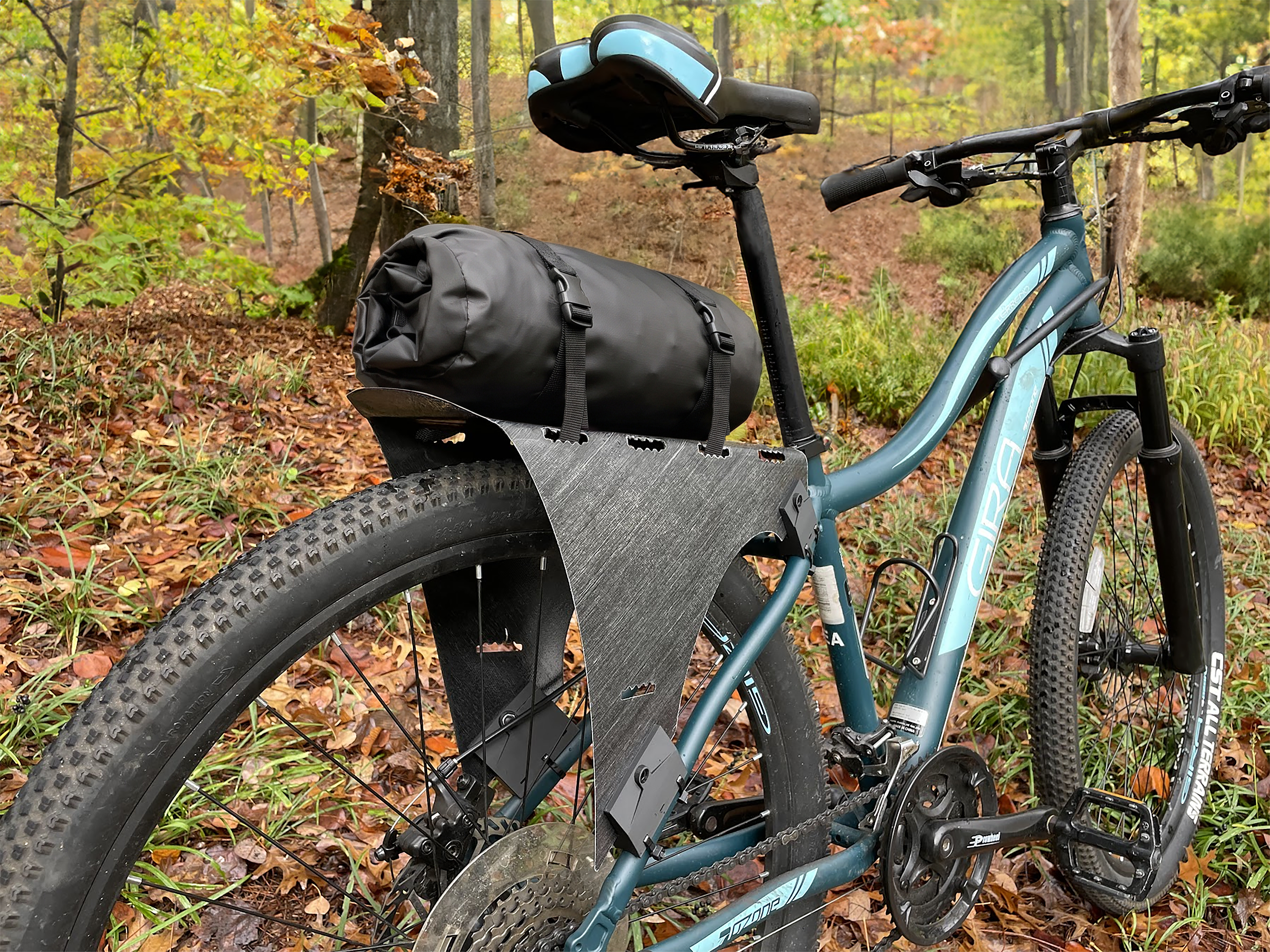
INDUSTRIAL DESIGN | COMPOSITE REAR RACK, SPONSORED BY AVIENT | FALL 2025
A new application for an ultralight material
THE PROBLEM
Rear racks are tubular steel or aluminum, making them too heavy for bikepackers trying to cut down on weight.
WHAT I DID
Material characterization, concept, and manufacturing. From research to a working, high-fidelity prototype.
WHAT HAPPENED
A single sheet folded into a rack and mudguard at one time.
ROLE
User research, design iteration
TIMELINE
12 weeks
TEAM
Sophie Weissel
CONTEXT
Avient Sponsorship
WHAT’S STOPPING PEOPLE
For ultralight bikepackers, gear made out of heavy materials costs more in weight than the items being carried affords. A guiding insight we found: the more someone invests in biking, the more consideration they give their gear and the less patience they have for wasted space and weight.
DESIGNING BASED ON MATERIAL CONSTRAINTS
I characterized different plies of Polystrand before we moved into the design phase by conducting tensile tests, cutting strips, heating, bending, and piercing the material. Bolt cutters dented it without getting through, but scissors went through each sample tested. This shifted us away from theft protection, the other direction we were considering.
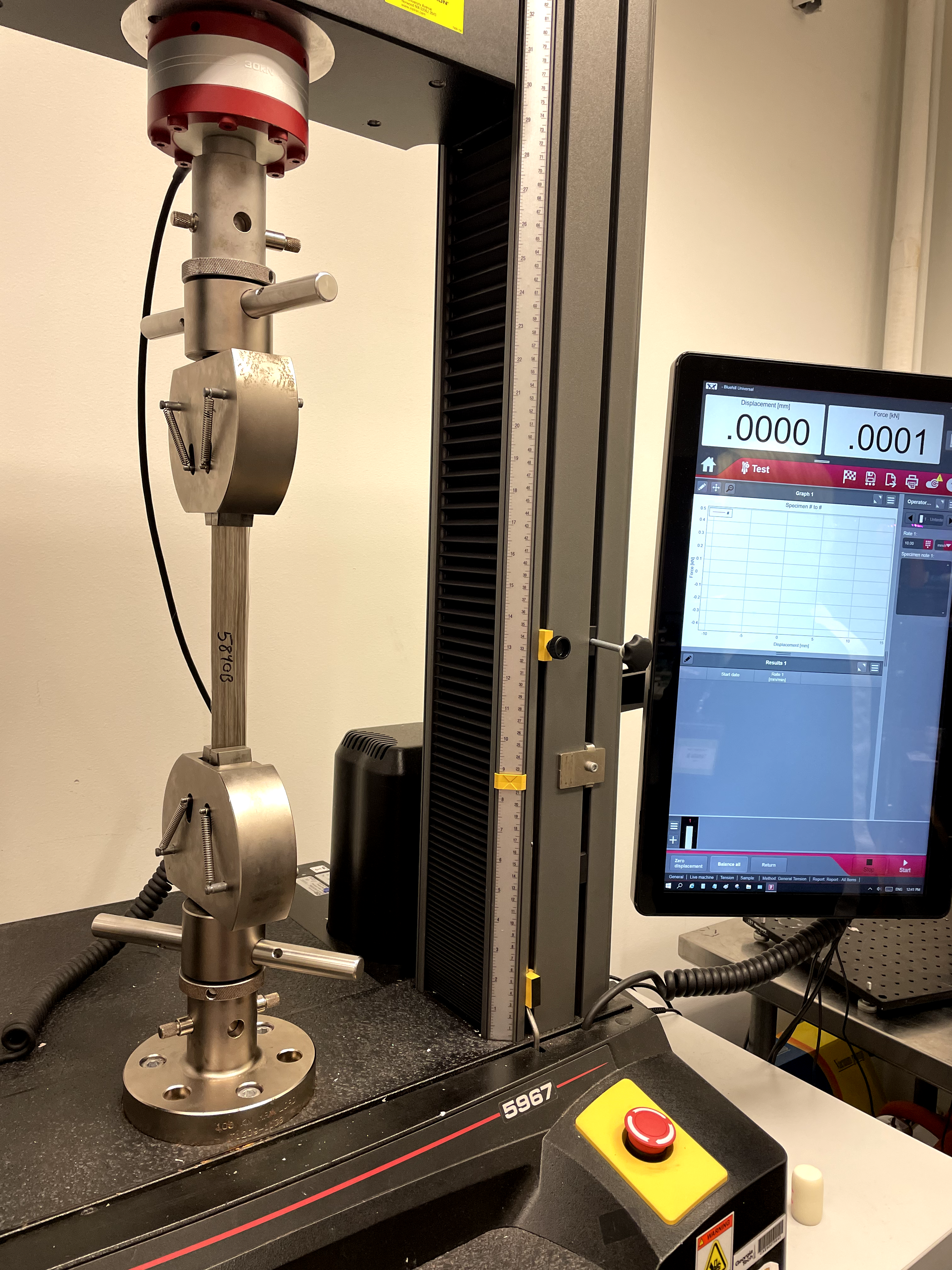
Tensile test samples
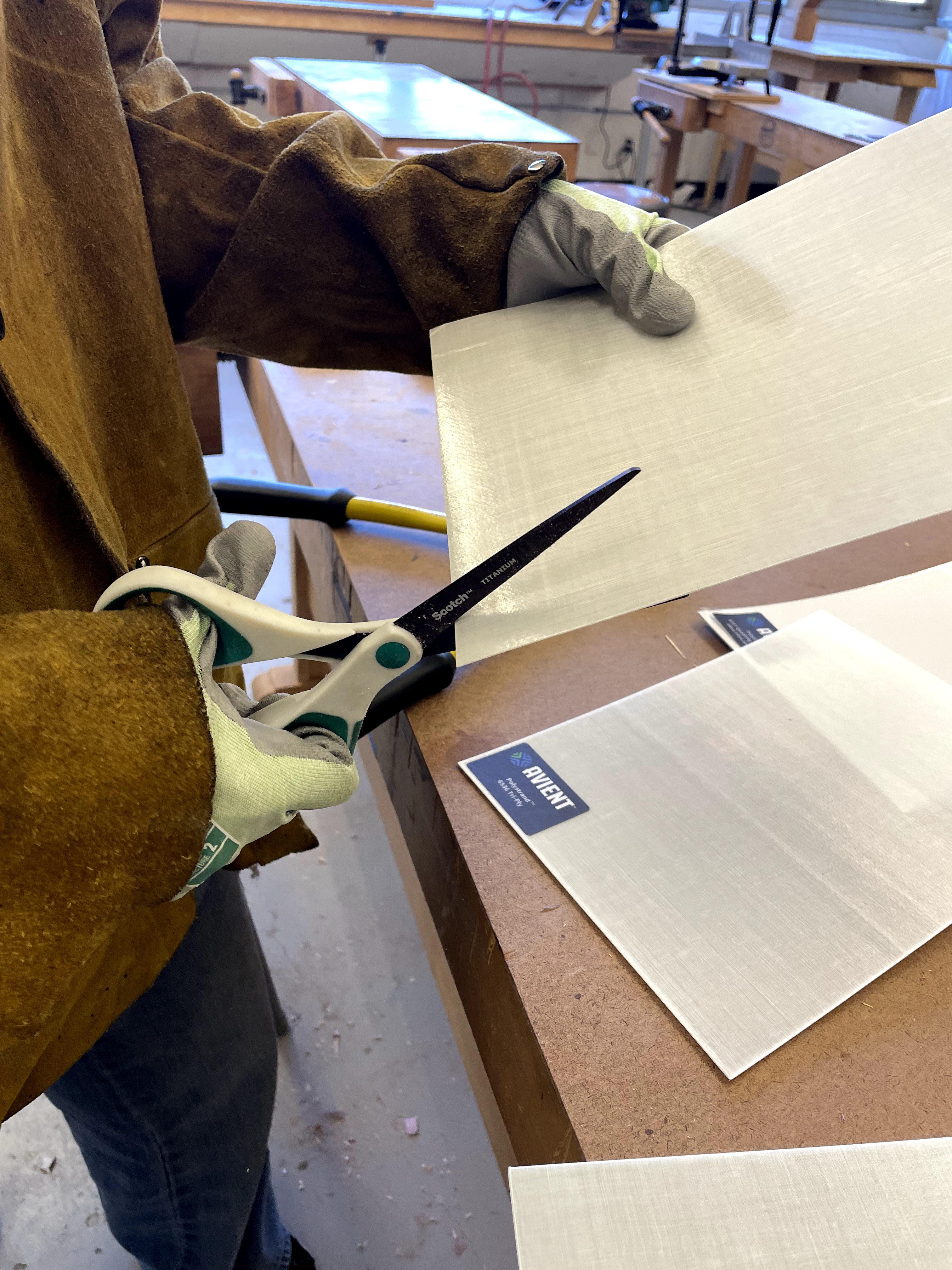
Cutting with bolt cutters and scissors
LEANING INTO MATERIAL STRENGTHS
Polystrand bends easily in one direction and resists the other. Flat-pack mudguards already exploit this by staying upright when put in place. This became the foundation of the rack’s structure, acting as a rack and mudguard at the same time.
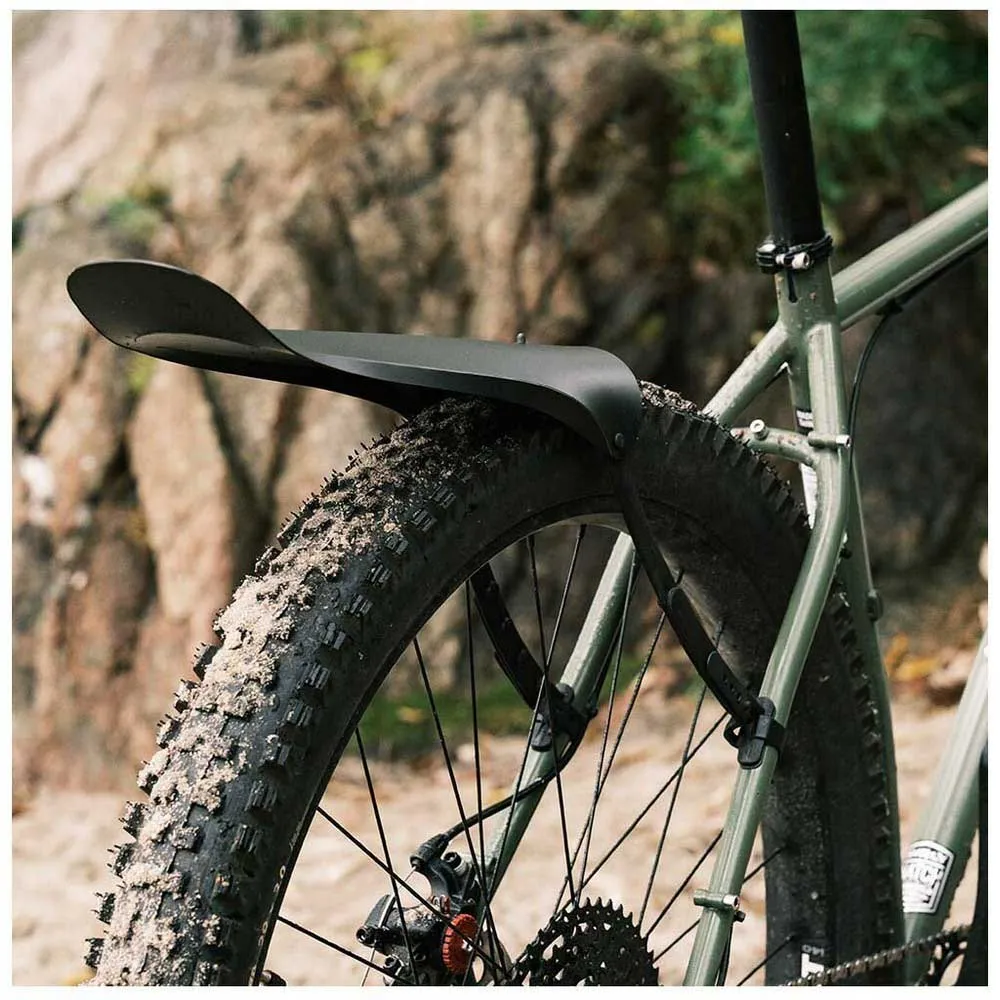
Mudguard inspiration
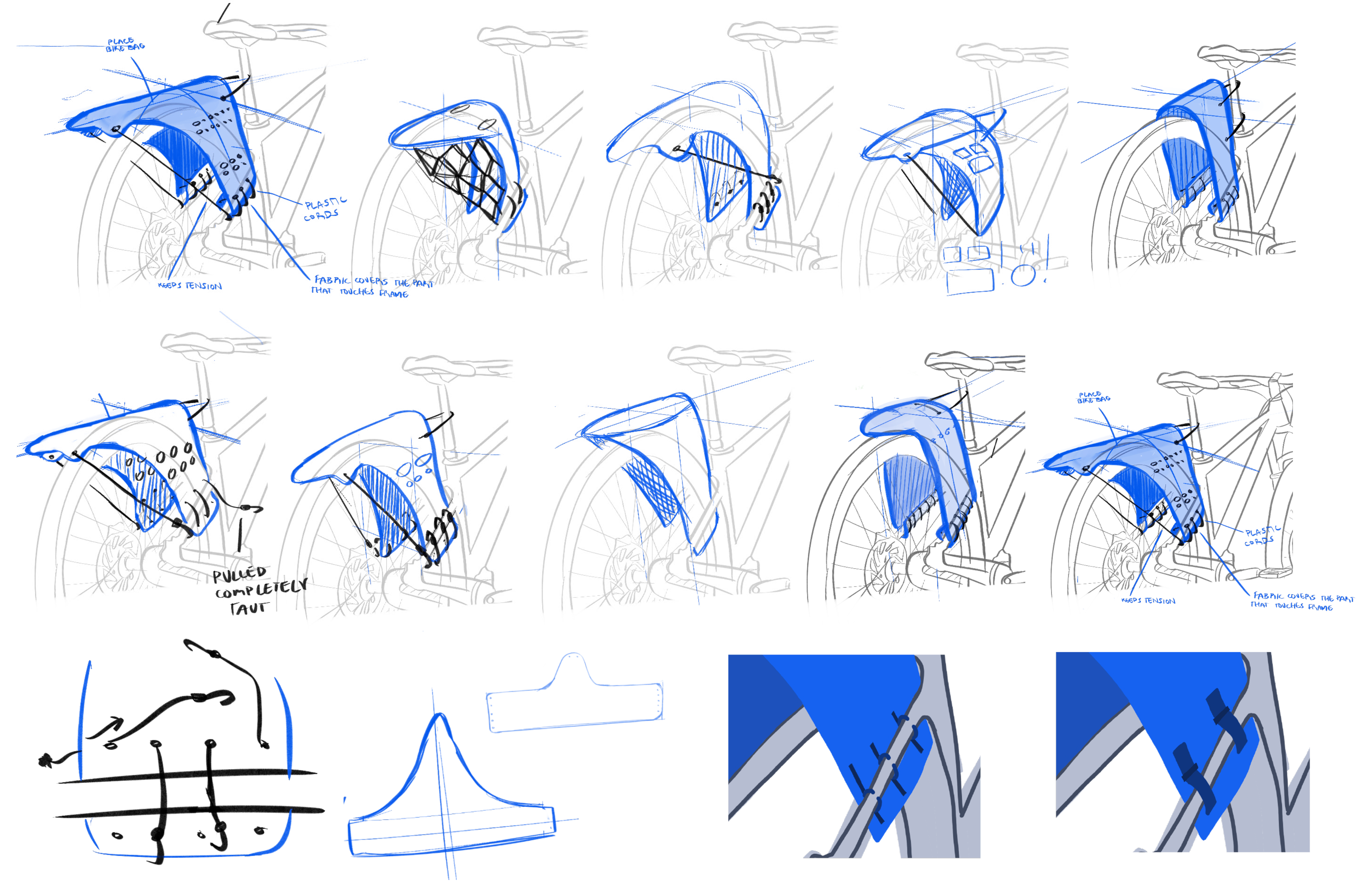
Ideation sketches using tension from bending
PUSHING THE DESIGN FURTHER
An idea we considered would be to add tubular metal for support. This would have worked well, but it would have become any pre-existing rack with Polystrand added to it. We pushed forward, tackling a design whose structure relied primarily on the strength of the Polystrand itself. Here, I created sketches that used rigidity of Polystrand to support the rack. These sketches were used as the foundation of our final design.
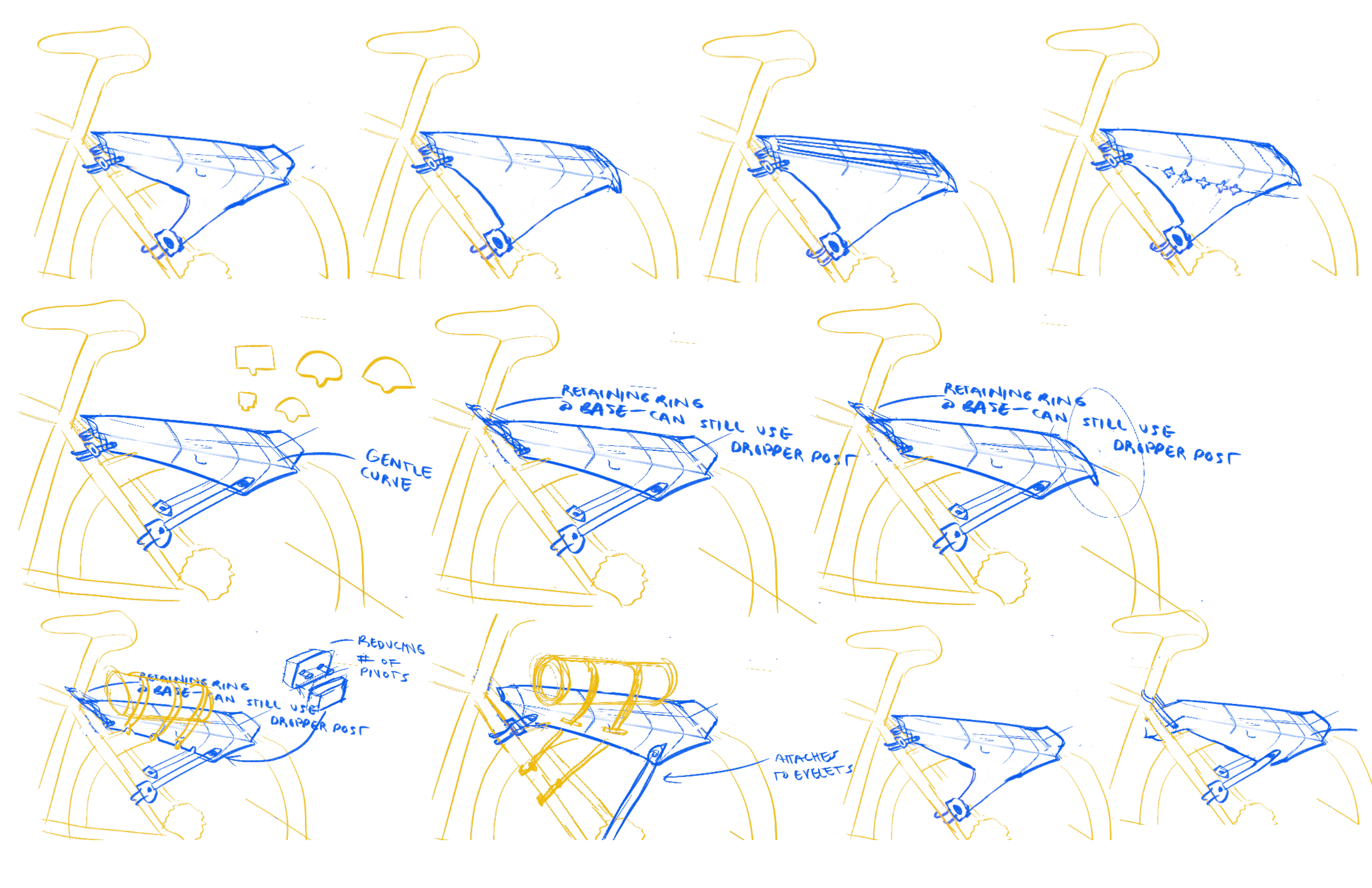
Rejected sketches with metal tubing
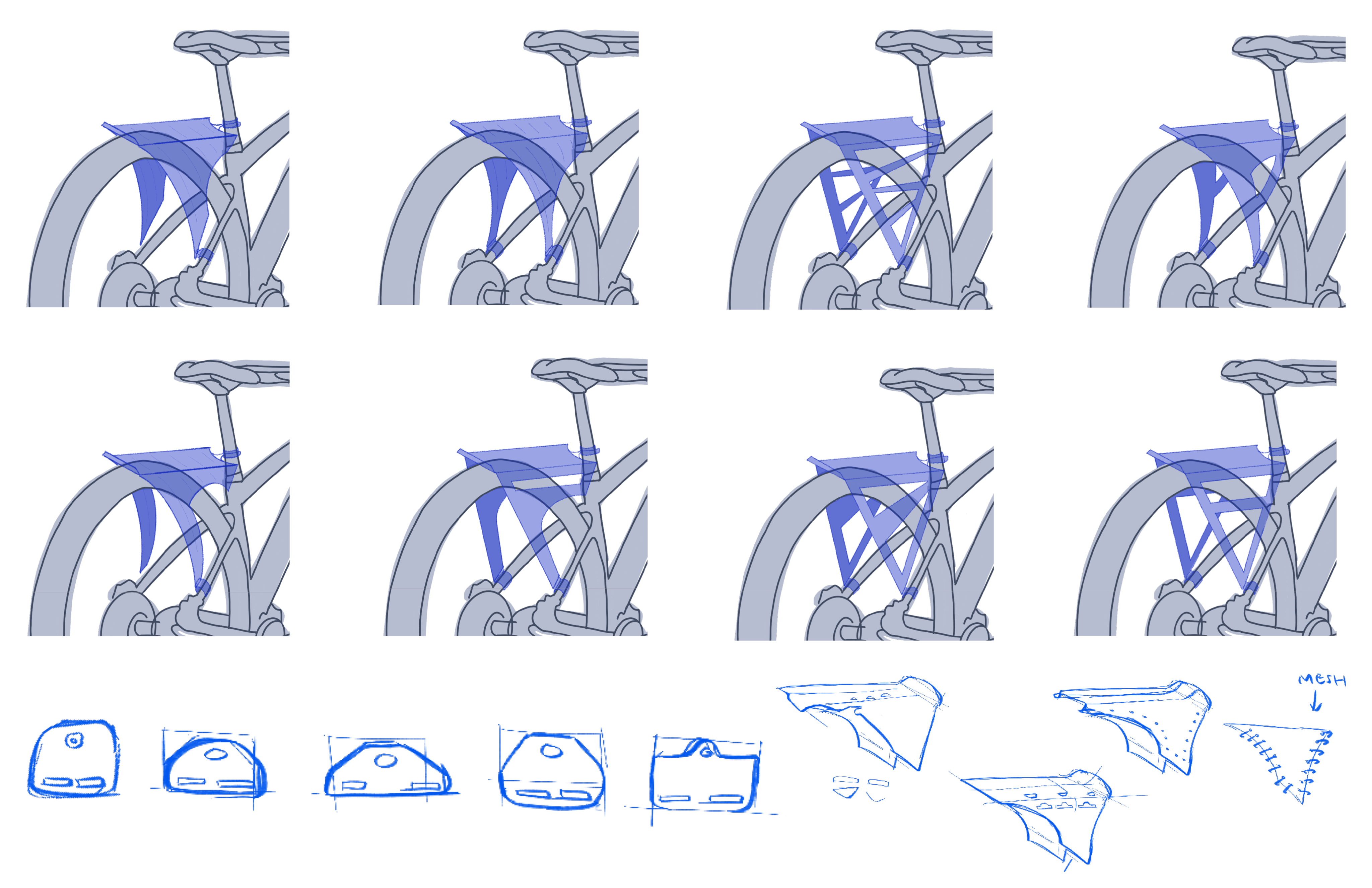
Sketches utilizing Polystrand’s properties
FASTENERS THAT MATCH EXISTING GEAR
Looking at existing attachments for gear and bikepacking hacks, zip ties were a quick but durable solution for the fastener. After finding a form that worked with zip ties, we wanted any hardware to be cohesive with the tools you’d find in any basic repair kit.
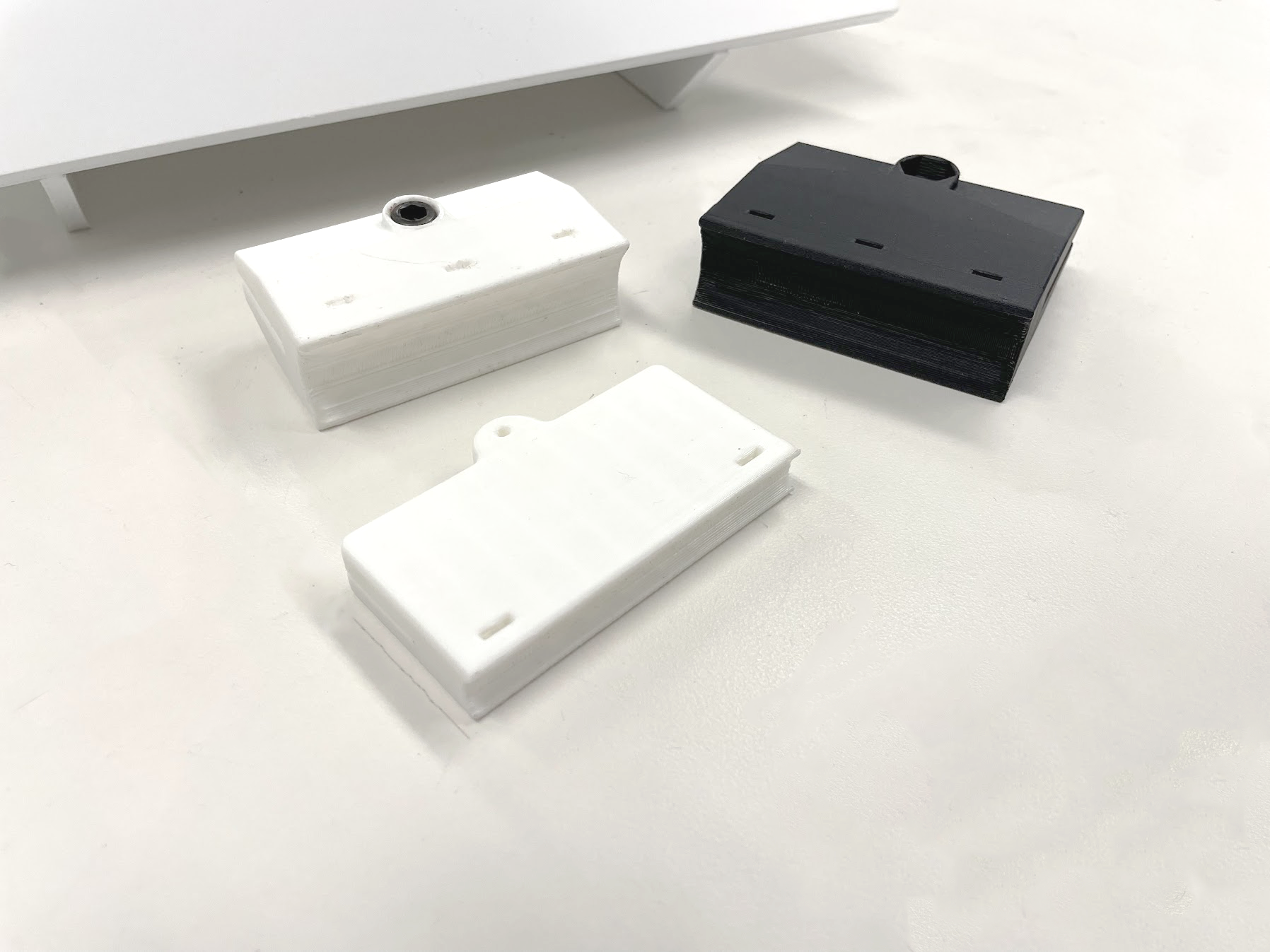
Fastener iterations
BUILDING THE PROTOTYPE
We iterated with laser cut cardboard to find the right look for the rear rack. Once solidified, we laser cut that design our of Polystrand. We then heated along where the rack would crease with a heat gun, and bent the material against a wooden edge. To finish, we sanded the edges and attachment holes to prevent fraying.
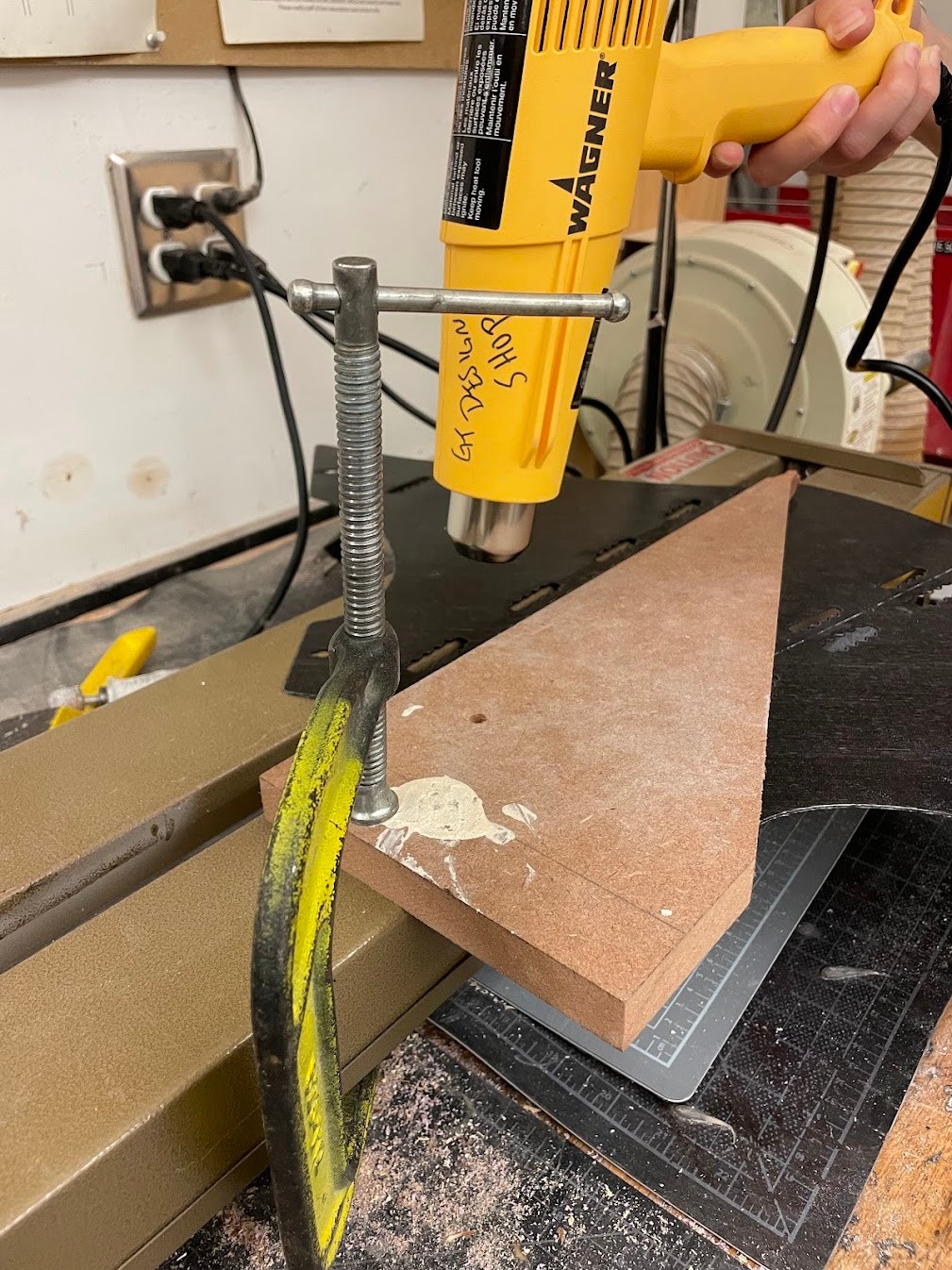
Heating the laser cut piece
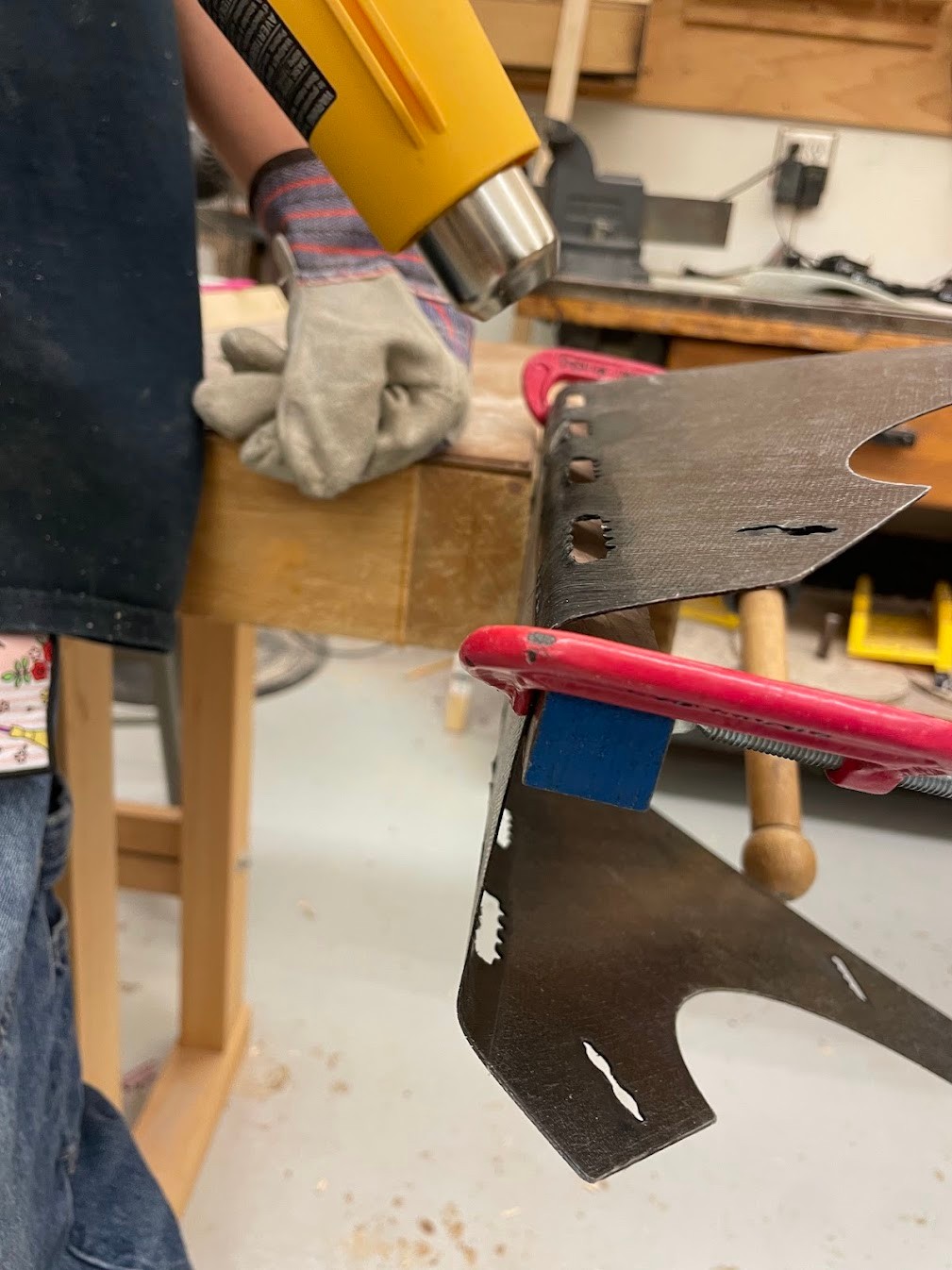
Bending into shape
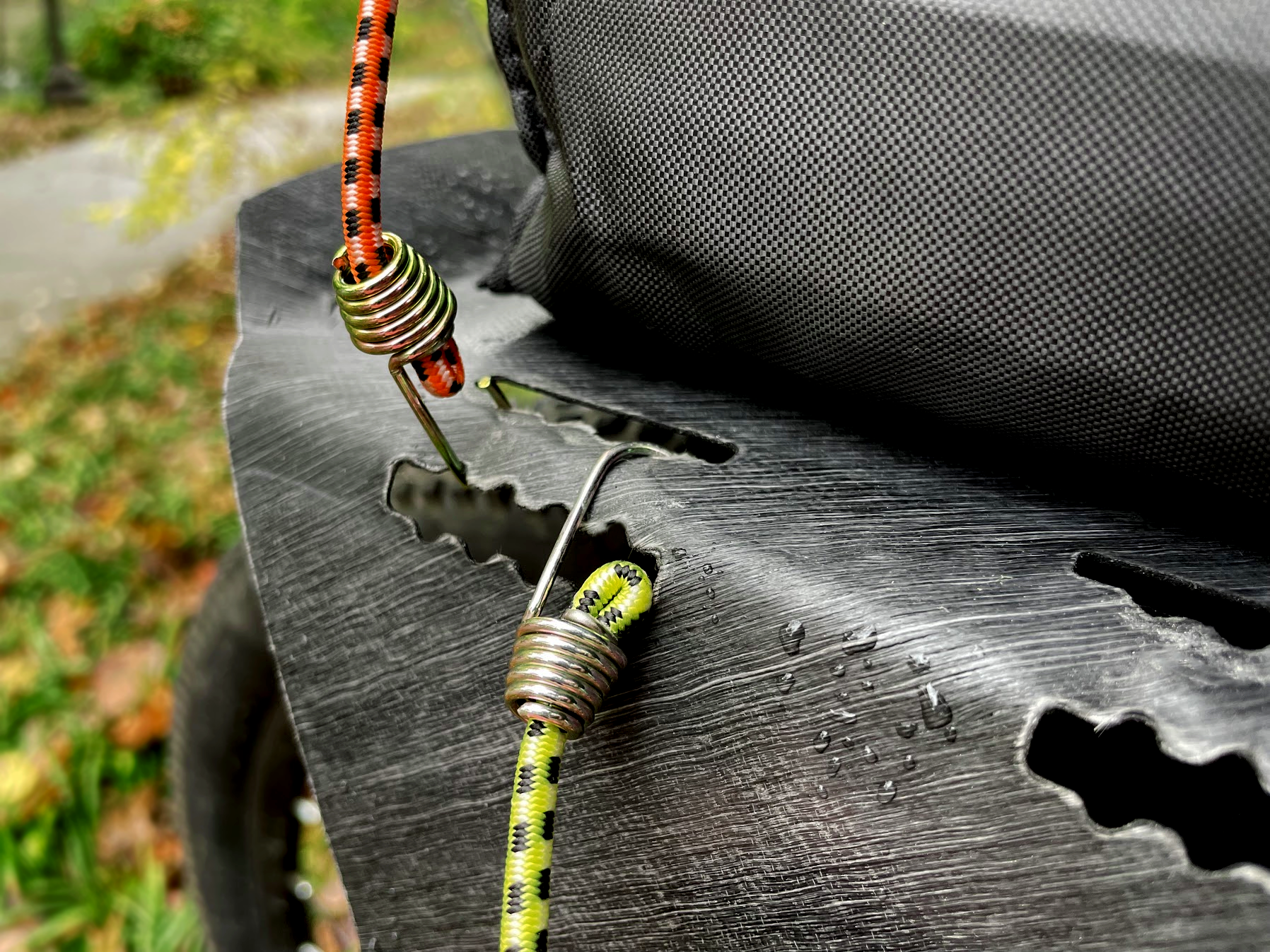
Holes that work with straps and bungee cords
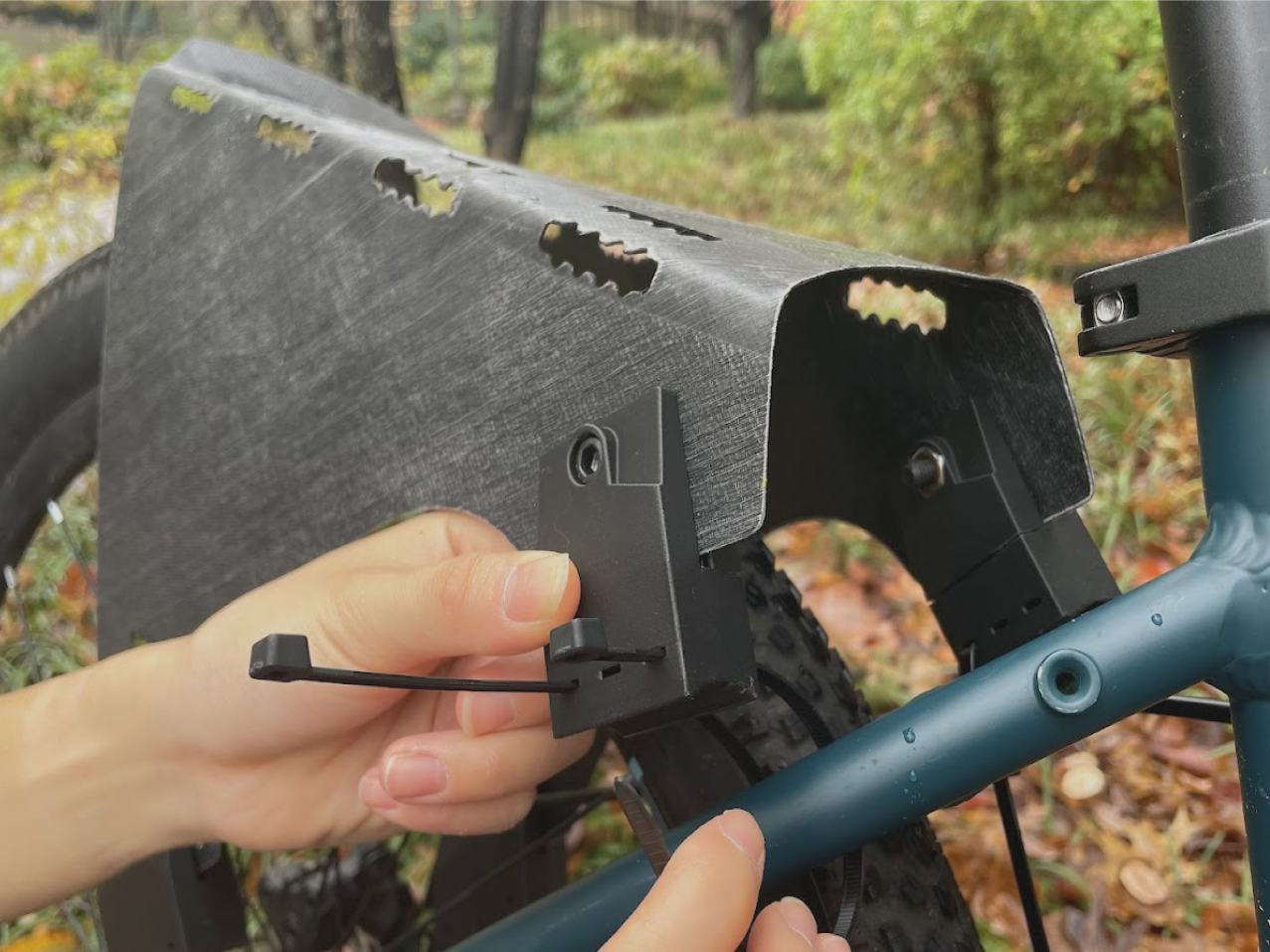
Attachment fixtures that fit any bike
THE OUTCOME
PolyRack is a bikepacking rear rack that also acts as a mudguard, at nearly 30% lighter than traditional aluminum racks.
NEXT
Making small non-profits findable to those who want to help them
Ribbon →